

- HOME
- What Is Miso
-
How to Use Miso Paste in Everyday Cooking
How to Use Miso Paste in Everyday Cooking
Updated May 25, 2026
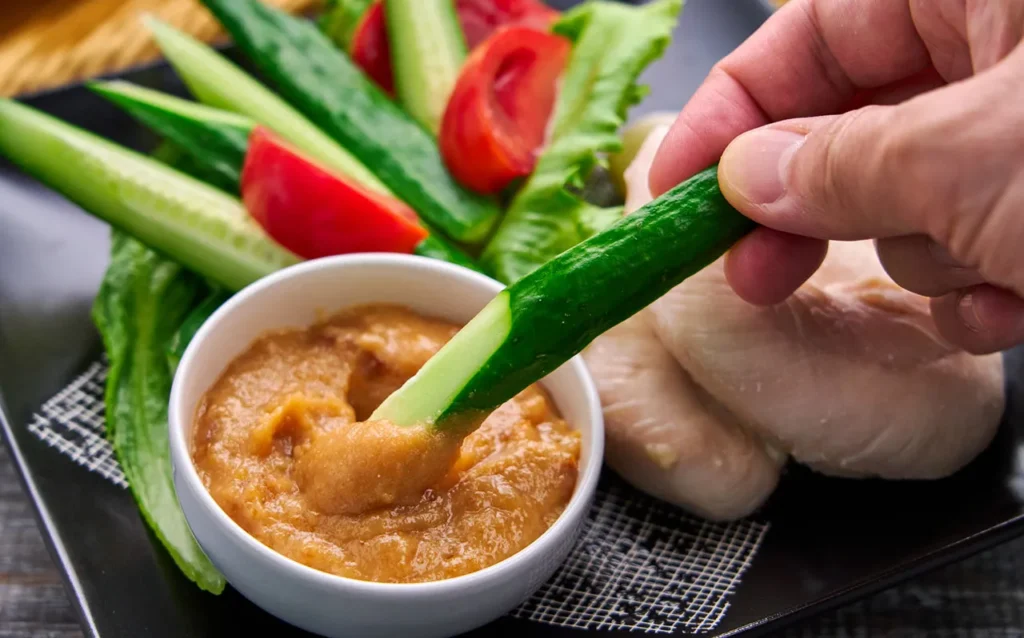
You might know miso best for the deep, comforting savoriness it brings to its namesake soup—but it’s far more than just a soup base. This fermented staple has been a cornerstone of Japanese cuisine for centuries, celebrated for its rich umami and subtle layers of flavor that range from sweet and nutty to bold and briny. Once you learn to use miso paste, you’ll be stirring it into everything from salad dressings and stir-fries to stews, pasta sauces, and even desserts.
Miso is a fermented bean paste made from soybeans, salt, and koji—a fungus cultured on grains like rice or barley. As the bean paste ferments, it develops complex flavors amplified by amino acids that create the savory taste of umami. Depending on how it’s made, miso can range in color from pale yellow to deep reddish-brown: lighter varieties tend to be sweeter and more delicate, while darker ones offer a stronger, more robust flavor. Whether you’re brand new to Japanese food or simply looking to add more depth to your everyday meals, this guide will help you tap into miso’s savory magic.
Traditional Japanese Uses for Miso

Miso has added rich umami flavor to Japanese home cooking for over a thousand years. Here are some of the many delicious ways this ancient soybean paste is still used today.
- Miso Soup: This quintessential Japanese dish needs no introduction—but it might surprise you how flexible it is. A daily staple in many households, miso soup is often made with whatever’s on hand, from leftovers to odds and ends in the vegetable drawer. No recipe is required; just chop your favorite vegetables, simmer them in broth (like dashi), then turn off the heat and stir in miso to season the soup.
- Miso Marinades: Miso’s saltiness and natural sweetness make it ideal for marinades. Classic dishes like Gindara no Saikyo-zuke (miso marinated cod) show how miso can tenderize proteins while infusing them with flavor. Make a big batch of miso marinade and keep it in the fridge—you’ll have it ready whenever you want to season salmon, chicken, or even tofu.
- Miso Glaze (Dengaku): Spread a sweet and savory miso glaze on eggplant or caramelize a sticky layer of glaze on tofu or chicken thighs to add savory flavor to any protein.
- Stir-Fries: Miso brings a rich, balanced flavor to stir-fries—from easy miso noodles with garlicky chicken to stir-fried vegetables.
- Ramen & Hot Pot Broths: Whether you’re making an unctuous miso ramen broth or seasoning a bubbling Japanese hot pot, miso adds a depth of flavor and rich, creamy texture that transforms simple broths into the perfect cold-weather comfort food.
- Pickles (Misozuke): Miso paste has been used to pickle vegetables for centuries. Just clean and bury whole cucumbers, carrots, and radishes in miso paste for a few days before washing off the excess and slicing the pickles into bite-sized pieces. This is a great way to use up miso that’s gone past its best-before date.
Creative Ways to Use Miso in Everyday Meals

Miso paste may be a staple of Japanese home cooking, but its versatility goes far beyond traditional dishes. Once you understand its strengths, it’ll become your go-to seasoning—like a richer, more complex cousin of salt, soy sauce, or bouillon.
- Soups & Stews: Add a spoonful of miso to chicken soup, beef stew, or even chili to impart a deep umami flavor. A small amount can amplify savory, meaty flavors without overpowering the other ingredients.
- Pasta & Sauces: Whisk white miso paste into creamy pasta sauces like carbonara or Alfredo for a nutty, savory note. Or, you can blend it into meat sauce for lasagna or spaghetti, like you might add anchovies or Parmesan cheese.
- Miso Butter: Beat miso paste into softened butter for a condiment that will enhance everything from a grilled steak to roasted vegetables to mushroom pasta. It’s a flavor bomb that will last for weeks in the fridge.
- Dressings & Dips: Whisk miso with rice vinegar, oil, and ginger for a quick vinaigrette, or stir it into cream cheese for a deeply savory dip. It also plays well with nut butter and citrus in Asian-style dipping sauces.
- Breakfasts & Grains: Stir a bit into savory oatmeal and top it with a poached egg, or add it to scrambled eggs as a substitute for cheese. A dab of miso butter on toast or melting over grits can make a humble breakfast feel gourmet.
- Baking & Sweets: Miso adds depth to sweet recipes too. In chocolate chip cookies, it enhances caramel and chocolate notes. Mix a spoonful into cheesecake batter or make it your salt in salted caramel sauce.
- Plant-Based Cooking: For vegetarians and vegans, miso is a secret weapon. It can make vegetable broth taste meaty, replace cheese in dairy-free sauces, or give tofu and mushrooms an extra flavor boost.
Cooking Tips for Using Miso Paste
Here are a few tips and tricks to help you get the most out of whatever type of miso you use.
- Add It Last: Heat can dull miso’s flavor and destroy beneficial microbes. In soups and stews, stir it in at the end after turning off the heat to preserve its aroma and probiotic benefits.
- Dissolve Before Mixing: To avoid lumps, dissolve miso in a small amount of liquid before adding it to your dish.
- Adjust for Salt: Miso is salty, so if you add it to a recipe, reduce the amount of other seasoning ingredients. Taste as you go to avoid over-seasoning.
- Balance with Sweet or Acid: Miso shines when paired with contrasting tastes. A touch of sugar, mirin, or honey rounds out its saltiness, and vinegar or citrus cuts through its richness. This balance is key to many classic sauces and dressings.
- Storage Tips: You can read more about How to Store Miso Paste, but generally, you want to store it in an airtight container in the fridge to keep it fresh for months.
Can You Eat Miso Paste Raw?
Yes, you can eat miso paste raw. The fermentation process ensures it’s safe to consume straight from the container. Try it as a topping for rice, a vegetable dip, or stirred into a salad dressing.
As an added benefit, using it raw preserves miso’s probiotics, so it’s a good way to maintain its many health benefits.
Bringing Umami to Your Kitchen
Miso isn’t just a Japanese ingredient, it’s a global flavor booster that brings richness, depth, and umami wherever it goes. It is a living tradition that continues to evolve—and once you start cooking with miso paste, you’ll quickly see why it’s such a treasured ingredient. So, stock your fridge with a tub of Organic White Miso or Organic Red Miso (or both), keep these tips handy, and let miso work its magic in your kitchen!
Looking for more inspiration? Browse our full collection of miso recipes.


