Japanese Miso Marinade

5 from 1 vote
This easy miso marinade packs savory depth and flavor into every bite. Whether you're grilling salmon, roasting chicken, or pan-frying tofu, this simple Japanese marinade transforms everyday ingredients into delicious, restaurant-worthy dishes.
This recipe is created by Marc Matsumoto (No Recipes®)
japanese-miso-marinade-008

Rich, savory, and delightfully easy, this versatile miso marinade is a game-changer for your kitchen. It takes advantage of the intense aroma and umami of our 3 year aged miso to create a luscious seasoning perfect for everything from miso salmon to miso chicken to miso tofu. It’s flexible enough to marinate various proteins, but it’s also a fantastic seasoning for other Japanese recipes, such as stir-fries and glazed eggplant.

Why This Recipe Works

  • This versatile Japanese condiment transforms thick miso paste into a luscious, pourable sauce—perfect for marinating meat and fish, seasoning stir-fries, or glazing grilled dishes with mouthwatering umami.
  • Garlic and ginger work double-duty in the marinade, tenderizing the meat while infusing it with a bold, aromatic flavor.
  • Boiling the sake cooks off the alcohol, leaving behind a rich, savory depth that amplifies this miso seasoning’s natural umami.

Ingredients

Sake – Japanese rice wine adds a subtle sweetness and enhances the umami in this miso marinade recipe. Boiling concentrates its flavor while burning off the alcohol. If sake isn’t available, you can use chicken or vegetable stock.

Organic Miso “3 Year Aged Miso” – This premium, aged miso paste provides the salt for the marinade and has a deep, rich umami and intense aroma. If you can’t find it, other types of miso, such as red or white miso paste, will work. 

Maple Syrup – Adds a gentle sweetness that balances the salty umami of the miso mixture while giving it a beautiful glossy finish that makes it perfect for miso-glazed fish. Brown sugar, honey, or agave syrup will work as substitutes.

Ginger – Bright, fresh, and slightly spicy, ginger helps tenderize meats while adding aromatic warmth to this versatile condiment.

Garlic – Infuses the marinade with savory depth and complexity, which makes it ideal for meats such as pork or beef. A fresh garlic clove works best, but garlic powder is a convenient substitute.

How to Make Miso Marinade

Pour the sake into a small saucepan and heat it over medium heat until it reaches a gentle boil. Allow it to cook until the liquid reduces by half; this should only take a minute or two. This concentrates the sake’s subtle sweetness and natural umami while evaporating the alcohol.

Once the sake is reduced, add the miso paste, maple syrup, freshly grated ginger, and garlic. Stir until the mixture becomes thick, smooth, and bubbly. Remove the pan from heat and let the miso marinade cool completely. 

Once fully cooled, you can store it in an airtight container in the refrigerator for up to a month. To use it, just spread a generous amount of marinade onto chicken breasts, salmon fillets, pork chops, steaks, or tofu and let them marinate for at least 2 days.

Ways to Use Miso Marinade

This versatile miso marinade can be used to season various dishes, and all you need to round out your meal is steamed white rice and a salad. 

  • Marinade for Fish – Perfect as a miso salmon marinade or for white fish fillets such as cod, halibut, or sablefish. Just slather the mixture onto all surfaces of the fresh fish pieces and let it cure for 2-3 days before wiping off the excess marinade and pan-frying, oven-roasting, or grilling the fish. Don’t wipe the marinade off if you’re pressed for time and only have a few hours to marinate. 
  • Marinade for Chicken and Pork – Whether you’re using lean chicken breast, skinless chicken thighs, or pork chops, the process for curing chicken and other meats is similar to what’s described above for miso fish. I recommend roasting thicker cuts like chicken breast in a 400°F oven for 20-25 minutes (cooking time will vary depending on the thickness of the meat).
  • Tofu Marinade – Works beautifully as a miso tofu marinade, infusing firm or extra-firm tofu with a deep, complex flavor that’s ideal for oven-roasting, pan-searing, or grilling.
  • Glaze for Grilled Dishes – Brush onto grilled proteins like steak or pork chops and let it caramelize around the meat. The sugars burn easily, so make sure you keep an eye on it once it hits the grill. It will also work for grilled vegetables like corn, zucchini, eggplant, or portobello mushrooms. 
  • Stir-Fry Sauce – Stir fry your favorite protein with a colorful mixture of veggies and then finish it off with a spoonful of this miso seasoning to flavor it.


Prep Time 2 minutes
Cook Time 5 minutes
Servings 10

Ingredients

  • 1/3 cup sake
  • 1/2 cup ORGANIC MISO 3 YEAR AGED MISO
  • 1/4 cup maple syrup
  • 10 grams ginger grated
  • 5 grams garlic 1 medium clove grated

Nutrition Facts

Calories・61kcalCarbohydrates・10gProtein・2gFat・1gSaturated Fat・0.1gPolyunsaturated Fat・0.4gMonounsaturated Fat・0.2gSodium・514mgPotassium・55mgFiber・1gSugar・6gVitamin A・12IUVitamin C・0.2mgCalcium・18mgIron・0.4mg

Instructions

  • Bring 1/3 cup sake to a boil in a small saucepan over medium heat and cook it until it’s halved in volume.
    Japanese Miso Marinade Recipe
  • Add 1/2 cup ORGANIC MISO 3 YEAR AGED MISO, 1/4 cup maple syrup, 10 grams ginger, and5 grams garlic, stir until there are no lumps and the miso marinade is thick and bubbly.
    Japanese Miso Marinade Recipe
  • Let the marinade cool completely before using it to marinate chicken, pork or fish. It can also be used as a seasoning for stir-fries.
    Japanese Miso Marinade Recipe

Product used in this recipe

organic miso 3 years aged_400g

Organic Miso
3 Year Aged Miso
14.1 oz (400g)

Our Organic Miso “3 Year Aged Miso” is a premium long-term aging miso made from organic rice and soybeans, with dark brown in color, deep fermentation aroma, richness, slight astringency, and strong umami. You can enjoy the exquisite harmony of a complex fermented flavor.

Recipe Creator

Marc Matsumoto

Recipe Creator

Marc Matsumoto

Marc Matsumoto is a Tokyo-based culinary creator and cookbook author who’s passionate about the benefits and versatility of Japanese ingredients. Through his website Norecipes.com, he shares delicious ways to use Japanese ingredients such as miso to elevate everyday meals.

Other recipes that you might like

Miso Sweet Potato

4.67 from 3 votes
With a crispy caramelized crust and a creamy interior, these simple Miso Sweet Potatoes are a bold, vegan-friendly side dish that elevates any meal.
This recipe is created by Marc Matsumoto (No Recipes®)
Miso Sweet Potato

This miso sweet potato recipe makes for a delicious yet versatile vegan side dish that’s perfect for enhancing any meal. Blending the robust umami of aged miso with the natural sweetness of maple syrup and roasted sweet potatoes creates a harmonious balance of sweet and savory flavors. Steamed to fluffy perfection and finished with a caramelized maple miso glaze, this dish offers a delightful contrast of a crispy exterior with a tender, creamy center. Whether served with a bowl of rice and miso soup or alongside a roast leg of lamb, it’s sure to impress with its bold flavors and textures.

Why This Recipe Works

  • Steaming the sweet potatoes first ensures they are moist and fluffy inside, while the final bake in a hot oven creates a crispy, caramelized crust.
  • The nutty umami of aged miso pairs beautifully with the natural sweetness of these Japanese sweet potatoes and maple syrup.
  • By making the glaze relatively thick, it can be spread on top of the sweet potatoes to form a beautiful caramelized top without burning to the pan.

Ingredients

  • Japanese Sweet Potatoes – Naturally sweet and starchy, these potatoes have a rich, earthy flavor that pairs beautifully with the miso glaze. The vibrant red skins are beautiful and loaded with a burst of nutrients like fiber and polyphenols, so don’t peel them.
  • Organic Miso 3-Year Aged – This aged miso adds a rich, nutty flavor and complex umami to the dish. Red or white miso paste can also be used as milder alternatives.
  • Maple Syrup – Enhances the sweetness of the sweet potatoes while complementing the savory notes of the miso. Honey or agave syrup will work as substitutes.

How to Make Miso Sweet Potatoes

Begin by scrubbing the Japanese sweet potatoes to clean the skin thoroughly. Trim off the ends and slice them into thick, even rounds. This ensures uniform cooking and allows the glaze to adhere beautifully to the surface.
To make the glaze, combine the miso and maple syrup in a small bowl, stirring until you achieve a smooth, thick consistency.
Next, heat the vegetable oil in an oven-safe skillet over medium-high heat. Arrange the rounds in a single layer. Allow them to brown on one side before flipping to brown the other (about 2 minutes per side). When the potato rounds are evenly browned, carefully pour water into the skillet. To avoid splattering, use the lid as a shield and cover the pan immediately. Lower the heat and steam until tender; the cooking time will depend on how thick you slice them. Start preheating your oven to 465°F (240°C).
When the potatoes are fork-tender, uncover the skillet and drain any remaining water. Slather the miso mixture over the tops of the sweet potatoes, ensuring even coverage, but avoid letting it spill onto the pan.
Transfer the skillet to the preheated oven and bake until the tops are bubbly and caramelized (about six to eight minutes). Keep an eye on it towards the end, as the glaze will burn easily.
Serving Suggestions
These miso-glazed sweet potatoes are a delicious side dish straight out of the oven, but they can also be served at room temperature, which makes them a great addition to bento box lunches. For some variation, try topping them with a sprinkle of black sesame seeds, a pat of fresh ginger, some chopped green onions, or a drizzle of toasted sesame oil.

Prep Time 5 minutes
Cook Time 20 minutes
Servings 4

Ingredients

  • 500 grams Japanese sweet potatoes
  • 3 tablespoons Organic Miso 3 Year Aged
  • 1 tablespoon maple syrup
  • 1 tablespoon vegetable oil
  • 2/3 cup water

Instructions

  • Scrub 500 grams Japanese sweet potatoes to clean the skin. Trim off the ends and cut into 1-inch (2.5cm) thick rounds.
    Miso Sweet Potato Recipe
  • Stir 3 tablespoons Organic Miso 3 Year Aged and1 tablespoon maple syrup together to form a thick glaze.
    Miso Sweet Potato Recipe
  • Heat 1 tablespoon vegetable oil in an oven-safe skillet over medium-high heat and add the potatoes. Let them brown on one side before flipping them over and browning the other side (about 2 minutes on each side).
    Miso Sweet Potato Recipe
  • When they're golden brown on both sides, use the lid as a shield above the pan and add 2/3 cup water. Cover the skillet immediately and let the sweet potatoes steam for 10-12 minutes over medium heat until tender enough to pierce them easily with a fork. Flip them over once in the middle and add more water if needed.
    Miso Sweet Potato Recipe
  • Preheat the oven to 465°F (240°C).
  • When the sweet potatoes are tender, remove the lid and drain any remaining water. Spread the miso glaze onto the tops of each round.
    Miso Sweet Potato Recipe
  • Place the skillet in the oven and bake for 6-8 minutes or until the glaze has caramelized and formed a golden brown crust.
    Miso Sweet Potato Recipe

Product used in this recipe

organic miso 3 years aged_400g

Organic Miso
3 Year Aged Miso
14.1 oz (400g)

Our Organic Miso “3 Year Aged Miso” is a premium long-term aging miso made from organic rice and soybeans, with dark brown in color, deep fermentation aroma, richness, slight astringency, and strong umami. You can enjoy the exquisite harmony of a complex fermented flavor.

Recipe Creator

Marc Matsumoto

Recipe Creator

Marc Matsumoto

Marc Matsumoto is a Tokyo-based culinary creator and cookbook author who’s passionate about the benefits and versatility of Japanese ingredients. Through his website Norecipes.com, he shares delicious ways to use Japanese ingredients such as miso to elevate everyday meals.

Other recipes that you might like

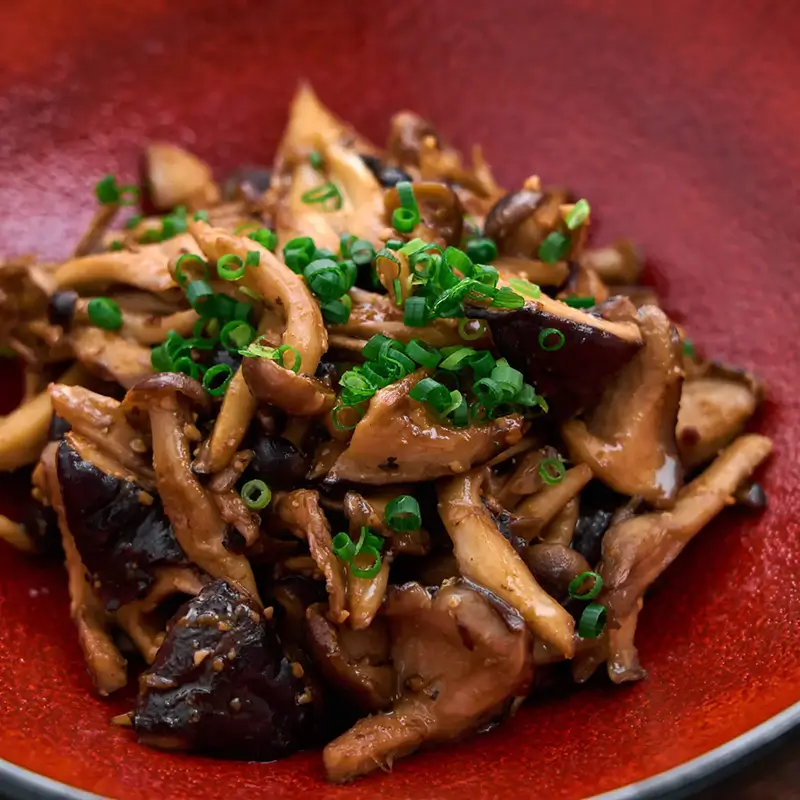
Miso Mushrooms with Maple Glaze

3.67 from 3 votes
Miso and mushrooms are a magical combination, andthis miso mushroom recipe brings together the rich umami of aged miso withnutty maple syrup for a mouthwatering dish that everyone will love.
This recipe is created by Marc Matsumoto (No Recipes®)
miso-mushrooms

Packed with earthy umami and a hint of sweetness, these miso mushrooms are a flavorful side dish for any meal. The combination of earthy, umami-rich 3-year aged miso, a hint of sweetness from maple syrup, and a splash of bright white wine creates a perfectly balanced miso glaze that makes every bite irresistibly delicious. A medley of maitake, shimeji, and shiitake mushrooms provides a delightful mix of meaty textures and flavors, absorbing the rich glaze beautifully. This makes the dish equally appealing as an autumn side or as a hearty main course served over a bed of rice or mixed with pasta and butter. Plus, it’s an ideal make-ahead dish since the flavors only get better as they meld together.

Ingredients

  • Mushrooms – A mix of different types of edible fungi takes this miso mushroom recipe to the next level because they each bring unique textures and flavors to the dish. This was made with three Japanese mushrooms: shiitake, maitake (hen of the woods), and shimeji. But other fresh mushrooms such as oyster mushrooms, portobello, button mushrooms, or cremini mushrooms are all excellent options.
  • Organic Miso 3-Year Aged – This intensely flavorful, aged miso brings an umami-rich depth of flavor that amplifies the savory flavor of the mushrooms while contributing salt to season them. If you don’t have 3-year aged miso, white miso paste or red miso will also work.
  • White Wine – The white wine adds a bright, fruity aroma and a touch of acidity that balances the nuttiness of the miso and the sweetness of the maple syrup. Sake can be used here instead of wine if you want to make it more Japanese. 
  • Maple Syrup – The maple syrup brings a natural sweetness that balances the savory miso while enhancing this dish’s earthy, nutty flavors. Honey or brown sugar are good alternatives if you don’t have maple syrup.
  • Vegetable Oil -You want to use vegetable oil with a neutral flavor and high smoke point to sauté the fungi, but if you want to add a bit more flavor at the end, a splash of toasted sesame oil or a pat of butter are two good ways of adding another dimension to these miso glazed mushrooms.
  • Green Onion – Chopped scallions or spring onions add color and a burst of fresh flavor to this miso mushroom recipe, but you can also garnish it with chives, parsley, or toasted sesame seeds.

Preparing Mushrooms

Depending on the types of mushrooms you are using, you should follow a few steps to prepare them properly.

If the caps have dirt or debris, gently wipe them clean with a damp paper towel or a soft brush. Avoid rinsing mushrooms under running water. They absorb water like a sponge, which will make them soggy.

Next, trim any growing medium or tough parts off the stems using a knife. For shiitakes, remove the entire stem as it tends to be fibrous and tough, while for oyster or portobello mushrooms, simply trim off any dried or woody bit.

For clustered varieties, such as enoki or shimeji, use your hands to pull them apart into bite-sized clusters. This helps preserve their natural shape and creates more surface area for the maple miso glaze to cling to.

For larger mushrooms, such as portobello, shiitake, or king oyster mushrooms, use a knife to slice the caps and stems into bite-sized pieces.

How to Make Miso Mushrooms

Make the maple miso glaze by whisking together the miso paste, white wine, and maple syrup until the mixture is smooth.

Heat a frying pan over medium-high heat until it’s nice and hot, then add the vegetable oil, swirling it around the pan to coat the bottom evenly. Letting the pan get hot before adding the oil and mushrooms is critical. Mushrooms are over 90% water, and if the pan isn’t hot enough, they will start to steam instead of sautéing, resulting in a soft rubbery texture. 

Once the oil is shimmering, add the prepared mushrooms, spreading them out in an even layer. Let them cook without stirring too much at first—this helps them develop that rich, golden-brown crust around the edges.

Sauté until they’ve browned around the edges, and then pour the miso glaze into the pan. Toss everything together until the mushrooms are evenly coated and the glaze becomes shiny.

Finish by garnishing the miso mushrooms with chopped scallions. This dish can be served warm, but the flavors become even more pronounced as it cools, making this an ideal make-ahead side for gatherings.

Variations

For some flavor variations, try sautéing chopped fresh garlic or grated ginger with the mushrooms for an extra layer of aromatic depth. A splash of balsamic vinegar or a squeeze of lemon juice at the end can add a bright, tangy note that balances the savory glaze beautifully. If you end up with leftover mushrooms, this dish is perfect for tossing with freshly boiled pasta, along with a bit of pasta water and a generous sprinkle of grated parmesan cheese, to create a delightful miso mushroom pasta that’s creamy, comforting, and brimming with umami.


Prep Time 6 minutes
Cook Time 6 minutes
Servings 2

Ingredients

  • 380 grams mushrooms
  • 2 tablespoons ORGANIC MISO 3 YEAR AGED
  • 2 tablespoons white wine
  • 1 tablespoons maple syrup
  • 1 tablespoons vegetable oil
  • 1 scallion, chopped for garnish

Instructions

  • Trim any growing medium off the base of 380 grams mushrooms and then cut or shred them into bite-sized pieces.
    miso mushrooms with maple glaze
  • Add 2 tablespoons ORGANIC MISO 3 YEAR AGED, 2 tablespoons white wine, and 1 tablespoons maple syrup to a bowl and whisk together until smooth.
    miso mushrooms with maple glaze
  • Heat a frying pan over medium-high heat until hot.Add 1 tablespoons vegetable oil to the pan and swirl it around before adding themushrooms.
    miso mushrooms with maple glaze
  • Sauté until they're starting to brown around the edges.
    miso mushrooms with maple glaze
  • Pour the maple miso glaze onto the mushrooms and toss together untilthey're evenly glazed and shiny.
    miso mushrooms with maple glaze
  • Chop up 1 green onion, and sprinkle on top of themiso mushrooms to garnish.
    miso mushrooms with maple glaze

Product used in this recipe

organic miso 3 years aged_400g

Organic Miso
3 Year Aged Miso
14.1 oz (400g)

Our Organic Miso “3 Year Aged Miso” is a premium long-term aging miso made from organic rice and soybeans, with dark brown in color, deep fermentation aroma, richness, slight astringency, and strong umami. You can enjoy the exquisite harmony of a complex fermented flavor.

Recipe Creator

Marc Matsumoto

Recipe Creator

Marc Matsumoto

Marc Matsumoto is a Tokyo-based culinary creator and cookbook author who’s passionate about the benefits and versatility of Japanese ingredients. Through his website Norecipes.com, he shares delicious ways to use Japanese ingredients such as miso to elevate everyday meals.

Other recipes that you might like

Miso Tomato Chicken Stew

4.41 from 5 votes
This Miso Tomato Chicken Stew is the ultimate comfort food, packed with rich flavors and umami goodness. With just a few simple steps, you’ll enjoy a deliciously hearty stew featuring tender chunks of chicken and perfectly cooked vegetables.
This recipe is created by Nami (JustOneCookbook®)
Miso-Tomato-Chicken-Stew

Prep Time 15 minutes
Cook Time 1 hour 15 minutes
Servings 4

Ingredients

  • 1 Onion
  • 1 Red bell pepper
  • 2 Japanese eggplants
  • 1 Russet potato
  • 3 Garlic cloves
  • 5 Sprigs parsley (for garnish)
  • 1 (14-oz) Can whole peeled or crushed tomato and juice
  • lbs Boneless, skinless chicken thighs
  • 1 tsp Diamond Crystal kosher salt (for the chicken, to taste)
  • tsp Freshly ground black pepper (for the chicken, to taste)
  • 3 tbsp All-purpose flour (for the chicken)
  • 3 tbsp Extra virgin olive oil (divided; for cooking the chicken and onions)
  • 3 tbsp Sake
  • 1 cup Water
  • 3 tbsp ORGANIC 3 YEAR AGED MISO

Instructions

To Cut the Vegetables

  • Peel and cut 1 onion in half lengthwise, then slice each half into 5–6 wedges. Cut the wedges in half crosswise.
  • Cut 1 red bell pepper in half lengthwise and remove the stem and seeds.
  • Cut the halves lengthwise into 1-inch strips, then cut each strip crosswise into three pieces.
    Cut off the stem and calyx of 2 Japanese or Chinese eggplants, then cut the eggplant into chunks. I use the rangiri Japanese cutting technique, rotating the eggplant a quarter turn between cuts.This increases the surface area so it cooks evenly and absorbs more flavor.
  • Peel 1 russet potato and cut it crosswise into 1-inch rounds.
  • Cut the rounds into 1-inch (2.5-cm) chunks.Soak the potato in water to remove the starch and prevent it from changing color.
  • Crush 3 cloves garlic (I use a garlic press). Chop 5 sprigs parsley and set aside for garnish. Open 1 (14-oz) can whole peeled or crushed tomato and juice; if your tomatoes are whole, cut them into smaller pieces with kitchen shears.

To Prepare the Chicken

  • Trim off the fat from 1½ lbs boneless, skinless chicken thighs. Then, angle your knife back and diagonally (nearly parallel to the cutting board), and slice the chicken thigh crosswise into a large piece about 2 x 3 inches (5 x 7.5 cm).
  • This sogigiri Japanese cutting technique creates pieces of equal thickness with more surface area for faster cooking and better flavor absorption. Continue to slice the rest of the chicken into large pieces. I yielded roughly 4 pieces per large chicken thigh.
  • Season the chicken pieces on both sides with 1 tsp Diamond Crystal kosher salt and ⅛ tsp freshly ground black pepper
  • Next, dredge the chicken in 3 tbsp all-purpose flour. The flour acts as a shield to seal in the seared chicken's juices; it also thickens the broth later.

To Sear the Chicken

  • Heat a large frying pan (I use a carbon steel pan for better browning and easier to flip) over medium-high heat. When the pan is hot, add 1 Tbsp of extra virgin olive oil. Add several chicken pieces to the hot oil and sear on one side until a beautiful crust forms, about2 minutes. Cook in batches and do not crowd the pan to avoid steaming the chicken. Flip over to sear the other side, then transfer to a tray or plate.Continue to sear the rest of the chicken and transfer it to the tray. Lower the heat to medium heat.
  • To the same pan, add about 1 Tbsp of the oil. When the oil is hot, add the onions. Stir with a wooden spatula and cook the onions until golden brown. If the onions are burning, reduce the heat to medium-low.
  • Add 3 tbsp sake and use the spatula to scrape off the caramelized brown bits (fond) on the bottom of the pan from cooking the chicken.

To Cook the Stew

  • Once you've deglazed the pan, transfer the onions and pan juices to a large heavy-bottomed pot like a Dutch oven. Add the seared chicken to the pot. Add the red bell pepper, eggplant, and tomatoes with juice. Add 1 cup water to the can to collect any remaining tomato juice and pour the liquid into the pot. Add the crushed garlic.
  • Use the spatula to press down on the ingredients as much as you can. Cover with a lid and bring it to a simmer overmedium heat. It will seem like a lot of vegetables at first, but they will sweat and release moisture as they cook. Eventually, they will shrink and create enough liquid to cover the ingredients.
  • Once simmering, tuck the vegetables into the cooking liquid once again. Reduce the heat to the lowest setting and cover to simmer for 45 minutes.

To Add the Miso and Potatoes

  • After 45 minutes, open the lid and give the stew a gentle stir. Next, completely dissolve 3 Tbsp miso in a ladleful of hot broth before releasing it to the stew. Drain the potatoes. Add them to the stew, cover the pot, and gently simmer for 15–20 minutes.
  • Check if the potatoes are cooked by inserting a wooden skewer; if it easily pierces a potato, it's done. Finally, taste the stew and adjust the seasoning. You can add a tiny bit of miso here to bring out more flavor.

To Serve

  • Serve hot in individual bowls and garnish with chopped parsley. I like to serve it with steamed rice or a slice of crusty bread. Enjoy!

To Store

  • You can keep the leftovers in an airtight container and store in the refrigerator for up to 3–4 days. This stew tastes even better on the second day. To freeze, remove the potatoes as their texture changes when frozen. You can keep it in the freezer for up to a month.

Product used in this recipe

organic miso 3 years aged_400g

Organic Miso
3 Year Aged Miso
14.1 oz (400g)

Our Organic Miso “3 Year Aged Miso” is a premium long-term aging miso made from organic rice and soybeans, with dark brown in color, deep fermentation aroma, richness, slight astringency, and strong umami. You can enjoy the exquisite harmony of a complex fermented flavor.

Recipe Creator

Namiko Hirasawa Chen

Recipe Creator

Namiko Hirasawa Chen

Namiko Hirasawa Chen is the creator of Just One Cookbook, the #1 English-language website for Japanese recipes. Nami believes that anyone can cook traditional and modern Japanese dishes with confidence using her accessible, step-by-step instructions and videos. To help home cooks prepare and beautifully plate their homemade meals, she recently launched her online shop called JOC Goods dedicated to artisan Japanese tableware and kitchenware. Nami was born and raised in Yokohama, Japan and now resides with her family in California.

Other recipes that you might like

Stir Fried Bitter Melon and Eggplant with Miso

5 from 1 vote
Learn to make Stir-Fried Bitter Melon and Eggplant and enjoy the health benefits of these unique Asian vegetables. Seasoned with savory Japanese miso and warm ginger, this vegan-friendly dish pairs beautifully with hot steamed rice.
This recipe is created by Nami (Just One Cookbook®)
Trimmed_Stir-Fried Bitter Melon and Eggplant with Miso-9975

Prep Time 5 minutes
Cook Time 10 minutes
Servings 2

Ingredients

  • 4 inches Bitter melon (bitter gourd or goya) I used 1/2 of the Chinese variety that has pale green skin with smooth bumps
  • 2 Japanese eggplants (or 1 Chinese eggplant, which is typically longer)
  • 1 inch Ginger
  • 2 tbsps Neutral oil (divided; plus more, if needed)

For the Seasonings

  • 1 tbsp ORGANIC MISO 3 YEAR AGED
  • 1 tbsp Mirin
  • 1/2 tbsp Soy sauce
  • 1/2 tbsp Sake

Instructions

To Prepare the Ingredients

  • Combine 1 tbsp miso, 1 tbsp mirin, 1/2 tbsp soy sauce, and 1/2 tbsp sake in a bowl and mix together. Set aside.
  • Peel and slice 1 inch ginger diagonally into very thin oval pieces, then stack and slice them lengthwise into thin julienne strips. Set aside some of the julienned ginger for the topping, then mince the rest of the strips.
  • Cut 4 inches bitter melon (bitter gourd or goya) in half lengthwise and remove the seeds with a spoon. Thinly slice the bitter melon crosswise into pieces 1/8 inch thick.

To Stir-Fry

  • Heat a large pan on medium-high heat. When it‘s hot, add 1 Tbsp neutral oil and distribute it. When the oil is hot, add the bitter melon.
  • Stir-fry on medium-high heat for 1 minute. Turn off the heat and transfer the bitter melon to a dish.
  • Discard the tops of 2 Japanese eggplants and cut them in half lengthwise. Slice the eggplant diagonally, rotating a quarter turn after each cut.
    Tip: We cut the eggplant right before cooking so it doesn‘t change color. If you want to cut ahead of time, soak the cut pieces in water to prevent discoloration, then dry with a clean towel before stir-frying.
  • Heat the large pan again over medium-high heat. When it‘s hot, add 1 Tbsp neutral oil and distribute it in the pan. When the oil is hot, add the eggplant. Stir and coat with the oil, and then cover. Reduce the heat to low and let it steam until the eggplant is tender, about 5 minutes.
  • Uncover, add the minced ginger, and quickly stir. Add the bitter melon back to the pan and quickly stir. Then, add the seasonings and quickly stir.

To Serve

  • Transfer to a serving plate. Top with the julienned ginger and enjoy.

To Store

  • You can keep the leftovers in an airtight container and store in the refrigerator for up to 3 days or in the freezer for a month.

Product used in this recipe

organic miso 3 years aged_400g

Organic Miso
3 Year Aged Miso
14.1 oz (400g)

Our Organic Miso “3 Year Aged Miso” is a premium long-term aging miso made from organic rice and soybeans, with dark brown in color, deep fermentation aroma, richness, slight astringency, and strong umami. You can enjoy the exquisite harmony of a complex fermented flavor.

Recipe Creator

Namiko Hirasawa Chen

Recipe Creator

Namiko Hirasawa Chen

Namiko Hirasawa Chen is the creator of Just One Cookbook, the #1 English-language website for Japanese recipes. Nami believes that anyone can cook traditional and modern Japanese dishes with confidence using her accessible, step-by-step instructions and videos. To help home cooks prepare and beautifully plate their homemade meals, she recently launched her online shop called JOC Goods dedicated to artisan Japanese tableware and kitchenware. Nami was born and raised in Yokohama, Japan and now resides with her family in California.

Other recipes that you might like

Napa Cabbage Gyoza with Miso Dipping Sauce

5 from 1 vote
These crispy and juicy Napa Cabbage Gyoza with miso dipping sauce are bursting with flavor and have an amazing, balancedt exture. The mild and sweet napa cabbage perfectly complements the miso-seasoned pork filling. Make a batch and freeze now!
 This recipe is created by Nami (JustOneCookbook®)
Trimmed_Napa Cabbage Gyoza-7195

Prep Time 1 hour
Cook Time 30 minutes
Servings 80 gyoza dumplings

Ingredients

  • lb Napa cabbage (½ medium head)
  • 1 tsp Kosher salt (for salting thenapa cabbage)
  • 2 oz Garlic chives
  • 2 Green onions
  • 1 lb Ground pork

For the Filling Seasonings

  • 1 tsp Grated ginger
  • 1 clove Minced garlic
  • 1 tbsp Sake
  • 1 tbsp ORGANIC MISO 3 YEAR AGED
  • 1 tbsp Soy sauce
  • 1 tbsp Potato starch or cornstarch
  • 1 tbsp Toasted sesame oil
  • ¼ tsp Freshly ground black pepper

For Wrapping

  • 1–1½ Packages Gyoza wrappers (roughly 80 wrappers)
  • 2 tbsp Potato starch or cornstarch (for dusting the baking sheet) 

For Frying Each Batch

  • 1 tbsp Neutral oil
  • 4 tbsp Water
  • ½ tbsp Toasted sesame oil

For the Miso Dipping Sauce

  • 3 tbsp ORGANIC MISO 3 YEAR AGED
  • 3 tbsp Soy sauce
  • 3 tbsp Rice vinegar (unseasoned)
  • 1 tbsp Sugar
  • ½ tbsp La-yu (Japanese chili oil) (optional)

Instructions

To Prepare the Napa Cabbage

  • Remove the tough core from the napa cabbage. Slice the cabbage crosswise into thin strips about ⅓-inch wide. Finely chop the strips crosswise into very small pieces, especially the thick white parts of the leaves. Then, run your knife through the cabbage to mince it finer.
  • Next, sprinkle it with kosher salt. Massage the salt into the minced cabbage with your hands. Transfer it to a bowl. Set aside to allow the salt to draw out the moisture from the cabbage.

To Make the Filling

  • Meanwhile, slice the garlic chives into small pieces and add to a large bowl.
  • Next, chop the green onions into thin slices and add to the bowl with the chives.
  • To the bowl, add the ground pork, grated ginger, minced garlic, sake, miso, soy sauce, potato starch, toasted sesame oil, and freshly ground black pepper.
  • Mix well and knead the mixture with your hand (I wear a plastic glove) until it becomes sticky and pale in color.
  • Use your hands to squeeze out the moisture from the wilted napa cabbage. Add the drained napa cabbage to the meat mixture.
  • Knead well by hand to combine until the cabbage is evenly incorporated into the filling and the mixture is sticky.

To Fold the Gyoza

  • Prepare a small bowl of water for dipping your finger. Open your 1–1½ packages gyoza wrappers and cover thew rappers with a damp towel or plastic wrap so they don’t dry out.
  • Pick up one wrapper and place it in the palm of your non-dominant hand (left hand for me). Place a scant one tablespoon of the filling in the center of the wrapper. Flatten it with the spoon, making sure to press out any air pockets in the filling.
  • Dip one finger in the water and use it to draw a circle around the outer ¼ inch (6 mm) of the wrapper to moisten. Fold the wrapper in half over the filling. Pinch the wrapper together at the top center of the half circle, but don’t seal it yet.
  • To make the first pleat, hold the wrapper in your left (non-dominant) hand. Starting on the right side near the top center, use the thumb and index finger of your right hand to fold the top half of the wrapper into a pleat that leans toward the center.
  • Use your left thumb and index finger topress the folded pleat tightly against the back half of the wrapper. Repeatfolding along the right side about once every ¼ inch, making a total of 3–4pleats. Press out any air pockets and seal the edge closed. Pinch the pleats tosecure.
  • Now, make the pleats on the left side. Hold the gyoza with your right hand. Starting at the center top, use your left fingers to fold 3–4 pleats leaning toward the center and moving toward the left side. Press out any air pockets and seal the edge closed. Press the pleats one last time. Evenly distribute the filling and shape the gyoza to create a flat side on the bottom.
  • Dust a baking sheet with some potato starch. Place your finished gyoza on top and cover with plastic wrap to avoid drying. Repeat to fold the remaining wrappers.

To Freeze for Later

  • If you want to store uncooked gyoza to cook later (optional), now is the time to freeze them. Before the filling starts to release moisture and make the wrappers soggy, lay out the gyoza on a sheet pan or plate in a single layer so they‘re not touching. Then, cover with plastic wrap or a large resealable bag and flash freeze them in the freezer until solid(or at least frozen on the outside).
  • Once the gyoza are solid, pack them in an airtight bag to freeze. Because you flash froze them, the gyoza won’t stick to each other in the bag. Store the gyoza in the freezer for up to a month. When you’re ready to cook them, place the frozen gyoza directly in your frying pan.Follow the regular cooking instructions below, but steam them for an extra 1–2minutes.

To Fry the Gyoza

  • Cook the gyoza in batches. First, heat alarge frying pan over medium heat; nonstick or carbon steel pans work well.When the pan is hot, add the neutral oil. Then, place the gyoza in the pan,flat side down. Arrange them in a single layer in either a circular pattern ortwo rows, and leave space between each piece so they don’t touch each other.
  • Cook until the bottom of the gyoza turns golden brown, about 3 minutes. Then, add water to the pan.
  • Immediately cover with a lid and steam the gyoza for about 3 minutes or until most of the water evaporates. They are cooked if the gyoza pleats look soft; if not, add some water and steam for a bit longer. Tip: If you‘re cooking frozen gyoza, steam them for an extra 1–2minutes.
  • Remove the lid to evaporate any remaining water. Drizzle toasted sesame oil around the edges of the pan. Cook, uncovered, until the gyoza are browned and crisp on the bottom.
  • Once the gyoza have a crust, they will release from the pan naturally. Remove to a plate. Repeat this process to cook the other batches.

To Makethe Dipping Sauce

  • In a small bowl, combine miso, soy sauce, rice vinegar, sugar, and la-yu (Japanese chili oil). Mix it all together until miso is completely dissolved.

To Serve

  • Transfer the Napa Cabbage Gyoza to a serving plate and serve with individual bowls of miso dipping sauce on the side. Enjoy!

To Store the Cooked Gyoza

  • You can keep the leftover cooked gyoza in an airtight container and store in the refrigerator for up to 3 days or in the freezer for a month.

Product used in this recipe

organic miso 3 years aged_400g

Organic Miso
3 Year Aged Miso
14.1 oz (400g)

Our Organic Miso “3 Year Aged Miso” is a premium long-term aging miso made from organic rice and soybeans, with dark brown in color, deep fermentation aroma, richness, slight astringency, and strong umami. You can enjoy the exquisite harmony of a complex fermented flavor.

Recipe Creator

Namiko Hirasawa Chen

Recipe Creator

Namiko Hirasawa Chen

Namiko Hirasawa Chen is the creator of Just One Cookbook, the #1 English-language website for Japanese recipes. Nami believes that anyone can cook traditional and modern Japanese dishes with confidence using her accessible, step-by-step instructions and videos. To help home cooks prepare and beautifully plate their homemade meals, she recently launched her online shop called JOC Goods dedicated to artisan Japanese tableware and kitchenware. Nami was born and raised in Yokohama, Japan and now resides with her family in California.

Other recipes that you might like